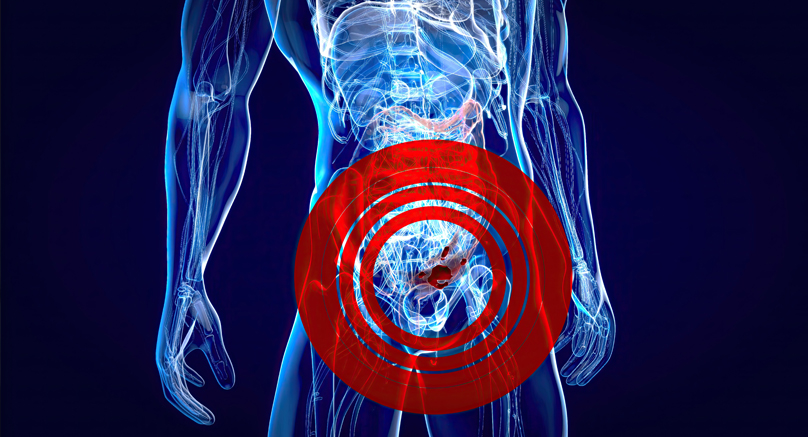
Urethral Stricture
Urethral stricture is a condition in which the urethra (the tube that carries urine from the bladder out of the body) becomes narrowed due to scarring or inflammation. This narrowing restricts the normal flow of urine and can lead to various urinary problems if left untreated.
Causes of Urethral Stricture
- Previous injury or trauma to the urethra
- Infections (especially sexually transmitted infections)
- Prior surgeries or medical instrumentation (catheterization)
- Inflammation of the urethra
- Radiation therapy
Symptoms
- Weak or reduced urine flow
- Difficulty starting urination
- Spraying or split urine stream
- Frequent urge to urinate
- Pain or burning sensation during urination
- Incomplete bladder emptying
- Urinary tract infections (UTIs)
- Blood in urine (hematuria)
Diagnosis
Urethral stricture is diagnosed using a combination of clinical evaluation and specialized tests:
- Uroflowmetry (to measure urine flow rate)
- Ultrasound or imaging studies
- Retrograde urethrogram (X-ray imaging of the urethra)
- Cystoscopy (direct visualization using a scope)
Treatment Options
Treatment depends on the severity, location, and length of the stricture:
Minimally Invasive Treatments
- Urethral Dilatation: Gradual stretching of the narrowed segment
- Internal Urethrotomy (VIU): Cutting the stricture using an endoscopic instrument
Surgical Treatment
- Urethroplasty: Definitive surgical repair or reconstruction of the urethra
- May involve removal of scar tissue or use of grafts (e.g., buccal mucosa)
Post-Treatment Care
- Temporary catheter placement may be required
- Regular follow-up to monitor recurrence
- Maintaining good hygiene and hydration
Possible Complications if Untreated
- Recurrent urinary tract infections
- Bladder damage
- Kidney damage
- Complete urinary blockage (urinary retention)
Urethral stricture is a manageable condition when diagnosed early. With advanced minimally invasive and reconstructive techniques, patients can achieve long-term relief and improved urinary function.

